Most security camera systems do one thing: record what happens. Someone breaks into a vehicle in your parking lot at 2am — your cameras capture it in crisp detail. You review the footage the next morning. You file a report.
The damage is already done.
That's passive monitoring. It's valuable. But for manufacturing facilities dealing with persistent security threats — loitering, unauthorized entry attempts, vehicle break-ins — it's not enough. What those facilities need is active deterrence. And that's exactly what we installed for a South London, Ontario manufacturing facility that had been dealing with exactly these problems.
The Problem
This particular facility had been experiencing a pattern that a lot of manufacturing operations know too well: unwanted personnel showing up after hours, loitering around the building, attempting to gain unauthorized access, and breaking into employee vehicles in the parking lot.
They had some existing surveillance — but passive cameras watching the problem happen weren't solving it. They needed a system that would stop incidents before they started.
The Solution: Hikvision Panoramic Cameras With Active Deterrence
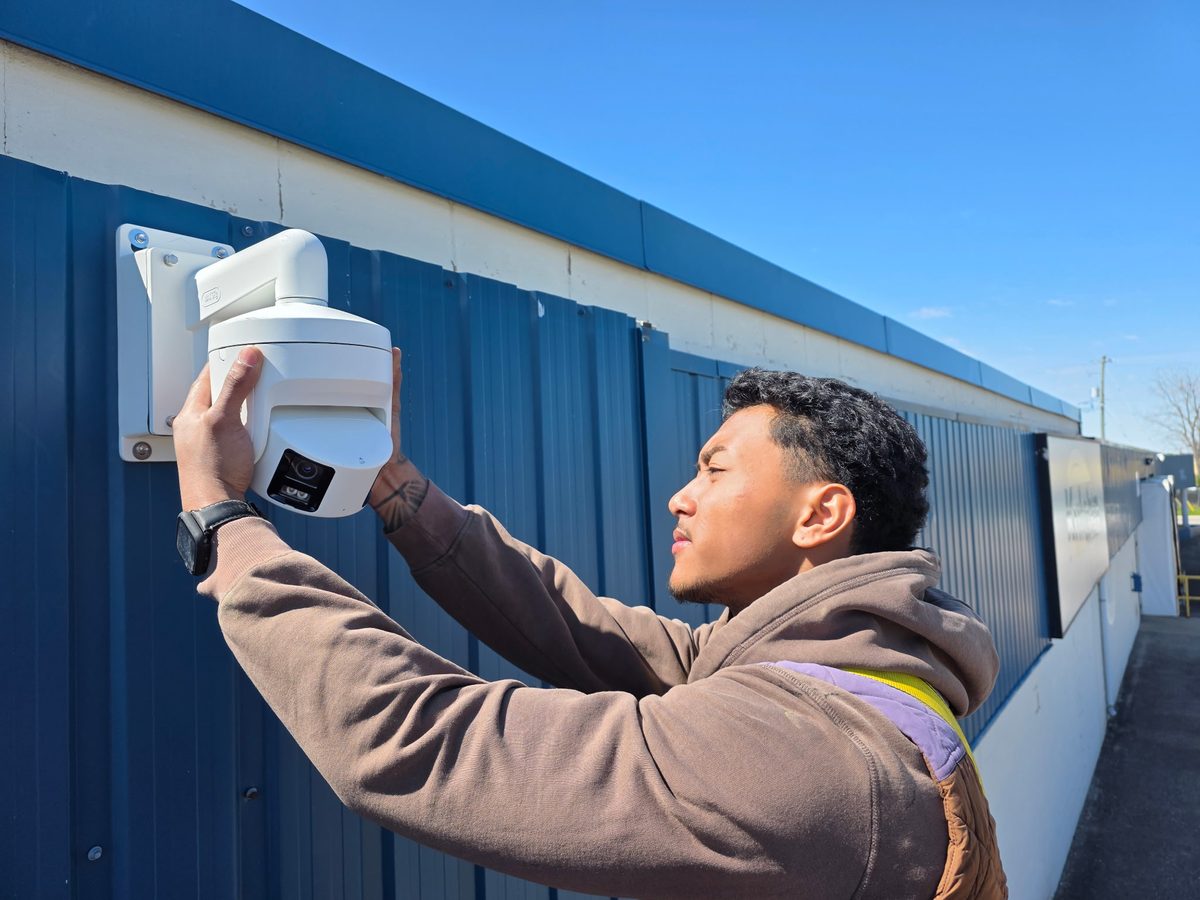
We designed a 6-camera perimeter system using Hikvision panoramic cameras — specifically chosen for their built-in strobe lights and siren. Here's what made this the right choice for this facility:
- 180-Degree Panoramic View — a standard camera covers a relatively narrow field. A panoramic camera covers 180 degrees in a single unit. For a large manufacturing facility with extensive grounds and multiple entry points, this dramatically reduces the number of cameras needed to achieve full coverage — and eliminates the blind spots that standard cameras leave between mounting positions.
- Built-In Strobe and Siren — this is the active deterrence element. When motion is detected in a defined zone after hours, the camera doesn't just record — it responds. The built-in strobe light flashes and the siren activates immediately, alerting the intruder that they've been detected and that security has been notified. Most people don't stick around. The psychology here is important: passive cameras only matter after the fact. Active deterrence creates a real-time consequence that changes behavior in the moment. For a manufacturing facility where the goal is to prevent loitering, unauthorized entry, and vehicle break-ins — not just document them — that distinction is everything.
- Smart Detection Zones — we configured the system with specific after-hours detection zones, so employees working late or early shifts don't trigger alerts. The system responds to the right people in the right areas at the right times.
The Installation
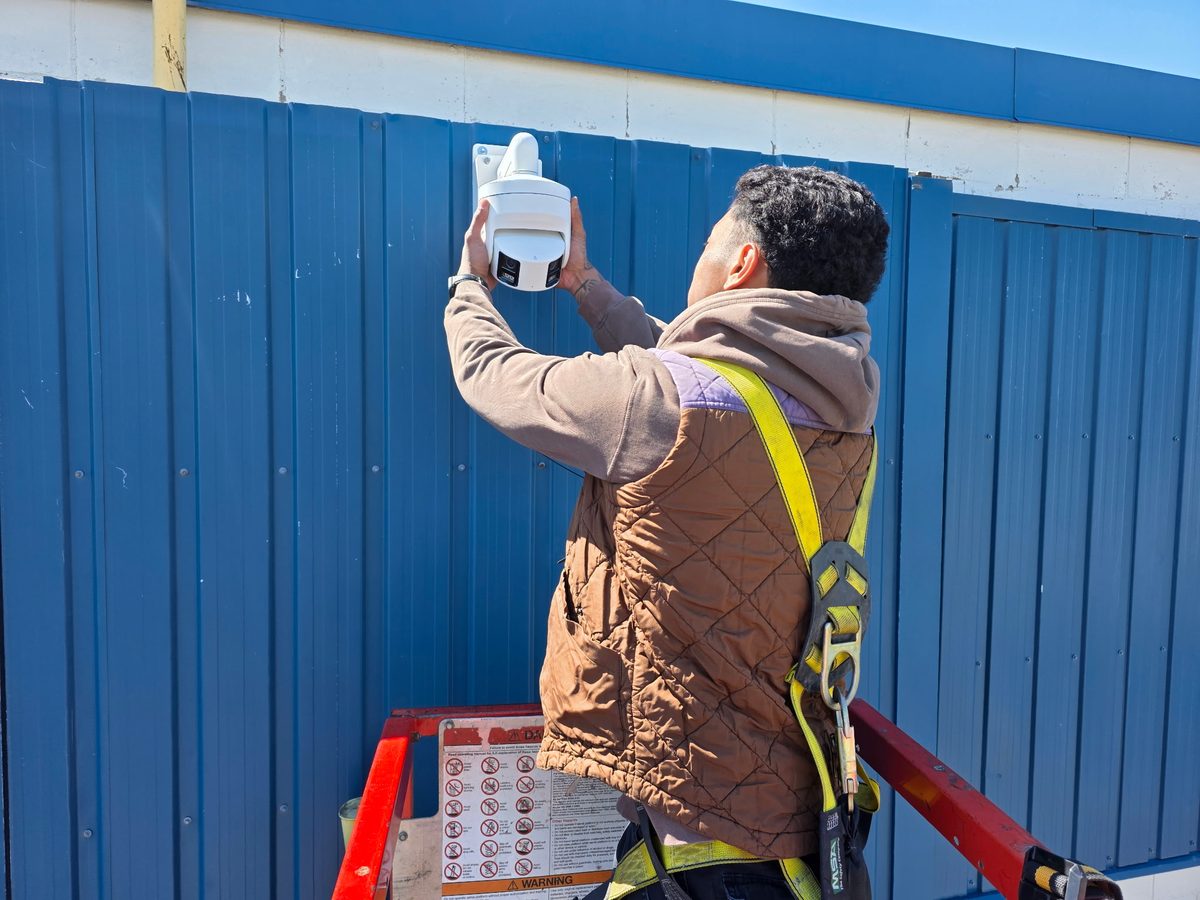
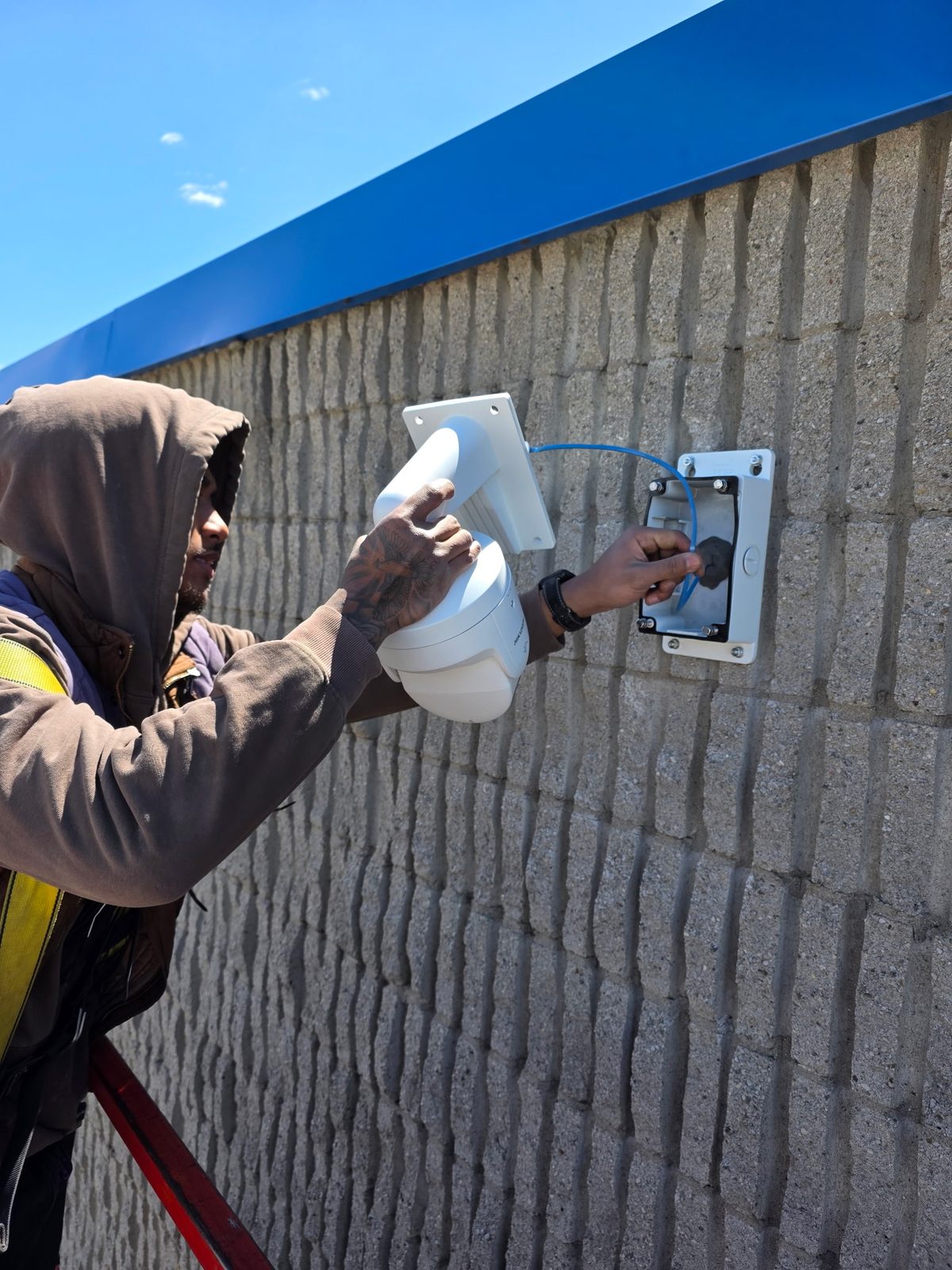
Two technicians covered the entire facility perimeter over three days. The sheer size of the property was the primary challenge — there was a lot of ground to cover and every camera position needed to be carefully chosen to maximize the 180-degree panoramic field of view while ensuring complete perimeter coverage with no gaps.
The result: 6 cameras covering the full perimeter with zero blind spots, all integrated into a central monitoring system that the facility's security team can access from any device.
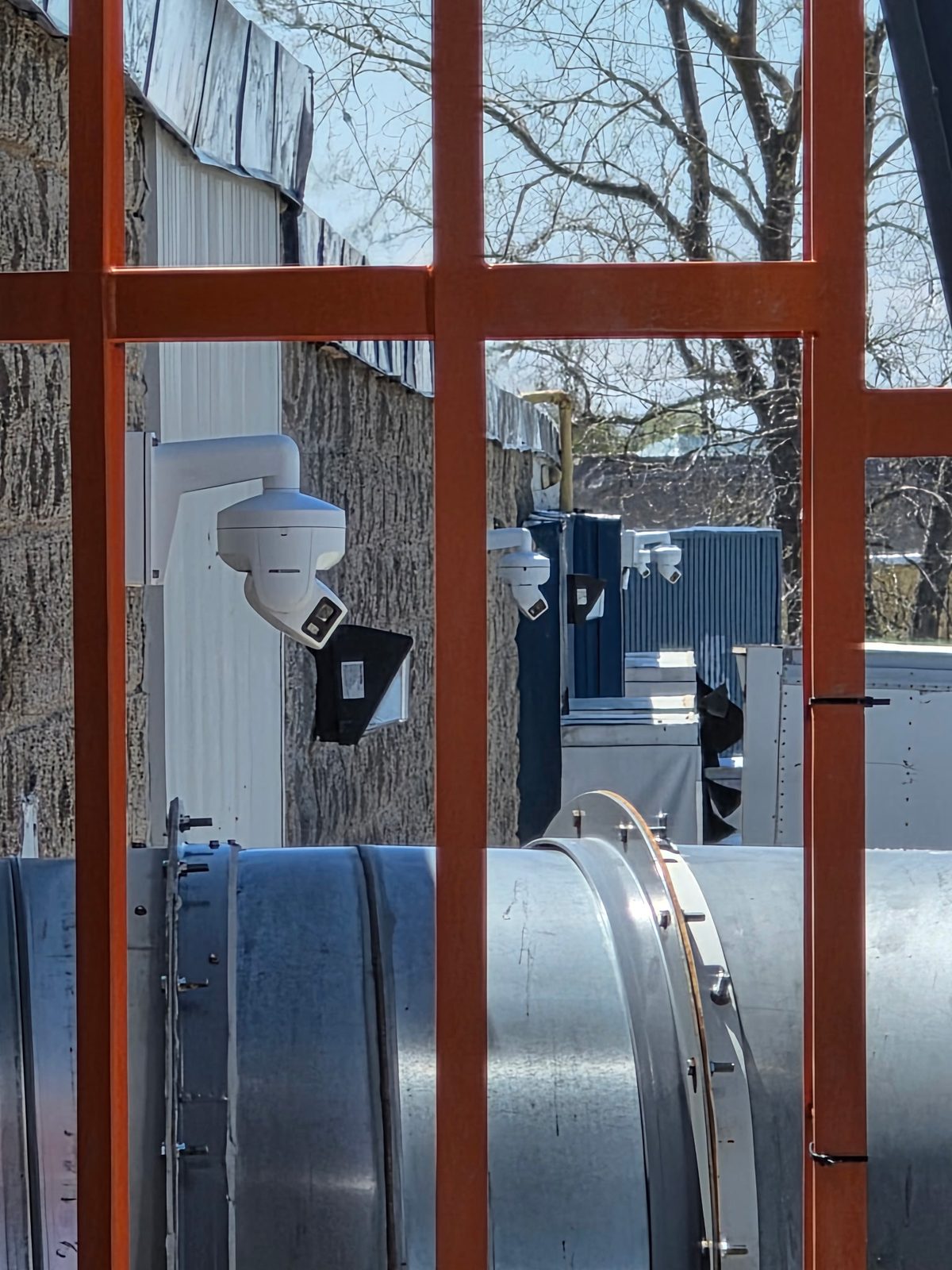
Total investment: approximately $8,000.
Is Passive Monitoring Enough for Your Facility?
If your security strategy relies entirely on reviewing footage after an incident, you're always going to be one step behind. Active deterrence changes the equation — instead of documenting problems, your system prevents them.
For manufacturing facilities, warehouses, logistics operations, and any commercial property with after-hours security concerns, the combination of panoramic coverage and active deterrence is one of the most cost-effective upgrades available.
If your facility has experienced loitering, unauthorized access attempts, or vehicle break-ins — there's a better answer than more passive cameras.